Follow


Whitehouse Cabins
Est. 1953
Dawson City, Yukon
Canada
Reservations
cabins@northwestel.net
867.993.5576
An Authentic Klondike Heritage Experience Overlooking the Yukon River!
Our Story
A Part of Dawson for More Than a Century


The oldest building, now known as the Gold Rush Cabin, is believed to date from the late 1890s, with the Heritage House followed around the turn of the century. Buildings from Dawson's early working waterfront were later incorporated into what is now the Riverside Cabin. Over the years, they served as homes, apartments and businesses as Dawson changed around them.
In 1939, Ed Whitehouse acquired the log cabin and neighbouring buildings. Born near Dawson in 1909, Ed had deep roots in the Klondike and worked at various jobs over the years, including carrying mail by dog team. He continued adapting the property, and in 1953, Ed and his wife Irene opened Whitehouse Motel — described by the Dawson Daily News as the city's first “tourist court.”
From Mining Town to Tourist Town
Whitehouse Motel opened at a time of significant change in Dawson. The Gold Rush was long over and, in 1953, the territorial capital moved to Whitehorse. During the years that followed, Dawson increasingly turned to its Gold Rush history as part of its future, with local businesses, community organizations and governments working to preserve historic buildings and encourage visitors north.
The reconstruction of the Palace Grand Theatre and the Gold Rush Festival were part of this tourism revival. Ed and Irene were already welcoming travellers as it took shape, including visitors and performers who came north for the festival. In 1962, actor Bert Lahr — best remembered as the Cowardly Lion in The Wizard of Oz — stayed at Whitehouse Motel while starring in Foxy at the newly reconstructed Palace Grand Theatre.

Bert Lahr in Dawson City during the 1962 Gold Rush Festival. Reproduced from Queen City of the North.
The Later Years
Whitehouse Motel continued through the 1970s and 1980s, changing hands along the way as Dawson itself continued to evolve. There are still pieces of this period of the property's history that we're working to uncover.
In 1987, another chapter began when Ingrid and Oswald Wiener acquired the accommodations. The Austrian couple operated the property themselves for several years before turning its day-to-day management over to others. Ingrid became internationally known for her textile and tapestry work, while Oswald was a noted Austrian writer and intellectual. During their years in Dawson, they also operated Claims Café, where Ingrid's cooking became well known locally.
Yukon author and historian Dick North was another familiar presence at the Whitehouse establishment. Known for books including The Mad Trapper of Rat River and The Lost Patrol, Dick was a longtime friend and regular summer visitor. Pieces of his work, along with other reminders of the people connected to the buildings and property over the years, remain part of the property's collection today.

Continuing the Story
Doug became involved in running Whitehouse Cabins during the 1990s, with Ashley joining him later in the decade. In 2003, they became the property's next owners.
Since then, the focus has been on continuing to care for and adapt Whitehouse Cabins while retaining the historic buildings and character that had survived before them.
One of the most significant projects was the restoration of the Gold Rush Cabin. By the early 2000s, the small log building had deteriorated so badly that it was being held upright by a guy wire.
The cabin was carefully dismantled, with every log numbered so it could be returned to its original position. Damaged sections were repaired using traditional splicing techniques. The work revealed remnants of its original sod roof, evidence of an early chimney fire, and denim and old newspapers that had been used beneath the floorboards. Some of the discoveries remain on display in the cabin today.
Around the same period, Doug and Ashley began experimenting with Wall Tent Cabins, inspired by the canvas tents that crowded Dawson's waterfront during the Klondike Gold Rush. Longtime friends helped test the idea during a visit, and the tents eventually became a permanent part of the property
Discover the Stories
More than seventy years after Ed and Irene first began welcoming travellers, Whitehouse Cabins remains part of Dawson's north end, with buildings and stories that span more than a century of the town's history.
Guests can discover more of that history in the guest directory found in each accommodation. We've brought together photographs, newspaper articles, advertisements, documents and stories that offer a closer look at the people who lived and stayed here, the buildings themselves, and some of the unexpected connections Whitehouse has made along the way.
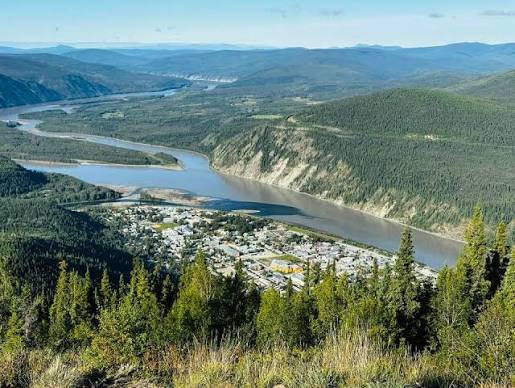
The Early Lifeline of the Klondike Long before highways connected the Yukon, the river carried First Nations travellers, stampeders, freight, sternwheelers and mail, shaping Dawson City and the lives of those who called it home. Today, it continues to define life in Dawson. The George Black Ferry operates each summer, the frozen river becomes an ice road each winter, and the annual IODE Ice Pool celebrates the spring breakup and the return of another busy season.

A Northern Legend of Survival Solomon Albert once lived on the Whitehouse Cabins property. After losing his feet to frostbite, he fashioned bear-hide footwear that became famous in Dawson, where the bear claws were said to click along the town's wooden boardwalks.

One of Dawson's Oldest Buildings Built during the Klondike Gold Rush, the Heritage House remains one of Dawson City's oldest original buildings still welcoming guests today. Its distinctive exterior siding, crafted from flattened tin cans, reflects the ingenuity and resourcefulness of Dawson's early residents.

Inspired by the Gold Rush Era During the Klondike Gold Rush, Dawson exploded almost overnight. Before permanent buildings could be constructed, canvas wall tents became the city's first homes, hotels, businesses and government offices. As log cabins gradually replaced them, many people lived under canvas for months or even years. Today, our Wall Tent Cabins pay tribute to this chapter of Dawson's history with a modern interpretation of one of the North's earliest forms of accomodation.

A Yukon Mail Carrier on the Trail Before welcoming guests to Whitehouse Cabins, Ed Whitehouse carried winter mail by dog team between Dawson, Stewart River and Scroggie Creek during the winter of 1928–29. His original mail sled is now preserved by the Yukon Transportation Museum.

More Than A Log Cabin Structure The Gold Rush Cabin has sheltered generations of Dawson residents since the turn of the century. Its careful restoration preserved not only the original log structure but also the stories hidden within, from evidence of an early sod roof to layers of newspaper and denim discovered beneath the floorboards.

When Hollywood Came to Dawson When Foxy was staged at Dawson's newly restored Palace Grand Theatre, actor Bert Lahr—best known as the Cowardly Lion in The Wizard of Oz—stayed in the Heritage House at Whitehouse Cabins during the production, marking a memorable chapter in Dawson's tourism revival.

A Neighbouring Historic Landmark Just steps from Whitehouse Cabins stands St. Mary's Rectory, one of the last reminders of the historic St. Mary's mission. Across the open grounds nearby, between the rectory and today's Ninth Avenue Trailhead, once stood St. Mary's Hospital, the Klondike's first hospital, founded by Father William Judge during the Gold Rush. Beside the rectory, Father Judge's peaceful gravesite remains a place of reflection today.